The Janowska camp ID: 192
History of the Janowska camp in Lviv (1941-1944)
History
Today, the sites of a former camp and the ghetto in Lviv are part of urban public space. However, they hardly reveal anything about the tragedy of killing Jewish population of the city.
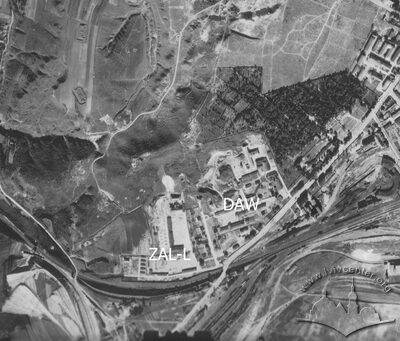
History of the Janowska camp in Lviv is the topography of several terror sites located nearby. The camp included two parts — a branch of the German Equipment Factory (Deutsche Ausrüstungswerke, DAW) and a later established Zwangsarbeitslager-Lemberg, ZAL-L.
Located on the outskirts of the city, the Janowska camp was directly connected with the Lviv ghetto where from the Jews were sent to slave labour or to immediate death. The camp was a key part of the terror machine in the occupied Lviv. It was the mass murder machine provided, among others, through the Security Police and SD, Criminal Police, or the Ukrainian Auxiliary Police and the Jewish Employment Bureau (Arbeitsamt Lemberg Judeneinsatz). Within the ghetto, there was operating a Jewish Police Service (Judischer Ordnungsdienst).
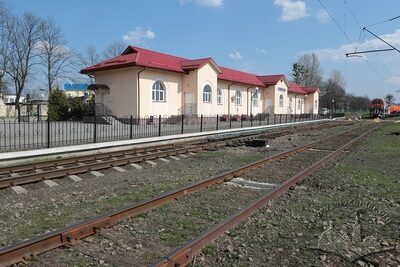
Right opposite the ZAL-L, there was a Kleparów station, where from thousands of Jews were transported to death camps in Bełżec and Sobibór.
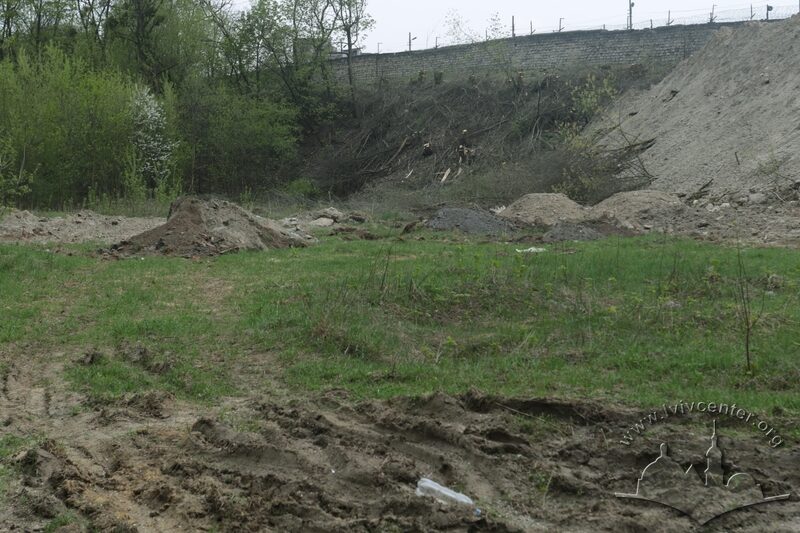
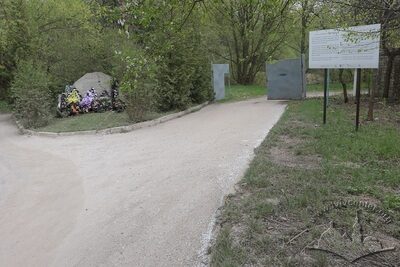
Throughout the entire period of camp operations, mass killings have also been taking place in the Piaski close by. The Nazi tried to erase the traces of the crimes by establishing the entire group of prisoners who were digging out and burning the murdered bodies, while grinding their bones into powder.
The scale of the crime could not be wiped out but the exact number of victims remained unknown. According to various estimates, about 200,000 Jews from Lviv and the surroundings passed through the site. Dozens of thousands perished in the camp.
At the same time, the history of the Janowska camp is about individual human stories. Few managed to survive through the camp liquidation, while even fewer names and personal stories were documented.
The map marks the sites related to the Janowska camp and the Holocaust in Lviv, as well as presents personal stories of survival and resistance of Leon Wells, Boris and Dorota Pliskin, or Bohdan Koch.
Texts by — Waitman Wade Beorn, Taras Martynenko, Andriy Usach.
People
Organizations
-
Criminal Police
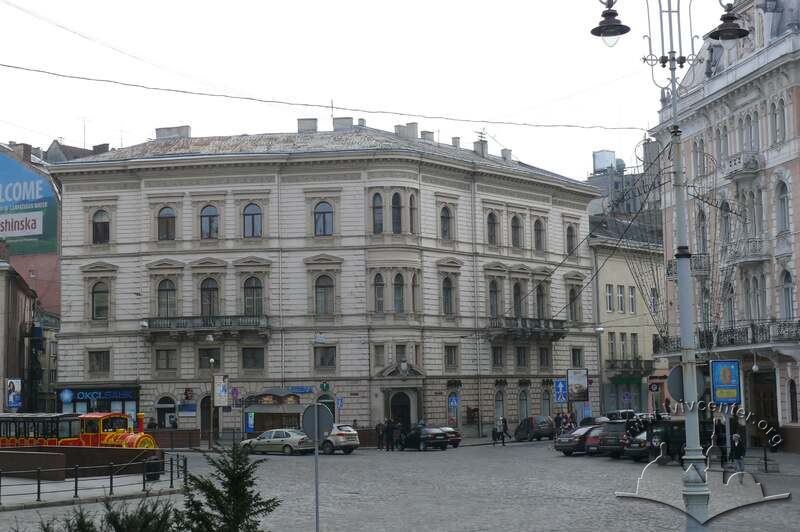
Criminal Police (ger. Kriminalpolizei, abbr. Kripo) was a police force that operated in Nazi Germany and its occupied territories. The Kripo held investigations and engaged in operative and investigatory work in criminal cases.
More -
Ukrainian Auxiliary Police
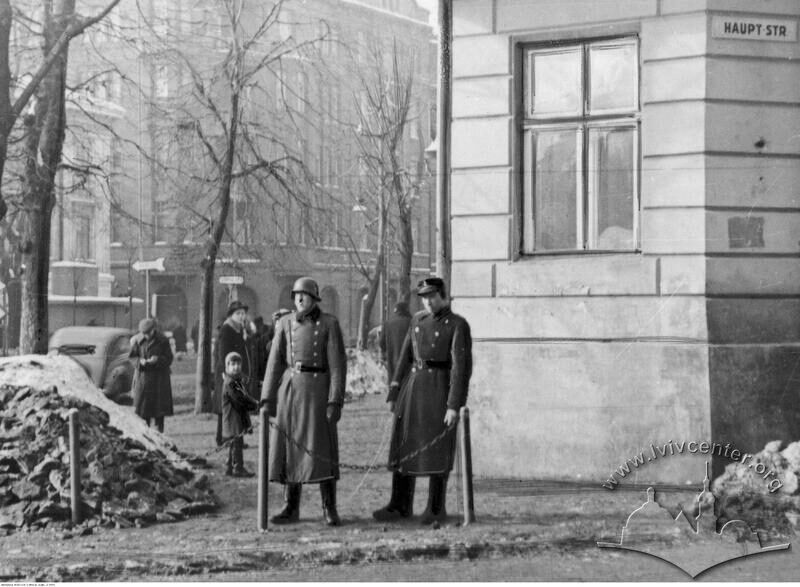
Ukrainian Auxiliary Police (ger. Ukrainische Hilfspolizei, UAP) was a police formation in the territory of the General Government, formed by the occupation authorities as an auxiliary police body in communities with predominantly Ukrainian population.
More
Related places
-
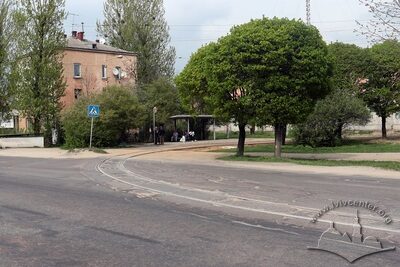
The Zwangsarbeitslager-Lemberg (ZAL-L) or The Janowska Camp
-
Janowska camp – Deutscheausrüstungswerke (DAW)
-
The Kleparów Station
-
Piaski
-
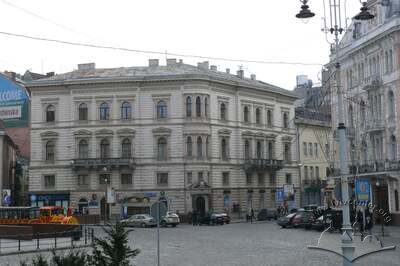
Пл. Галицька, 15 - Кримінальна поліція
-
Єврейська cлужба порядку