Францішек КовалишинID: 35
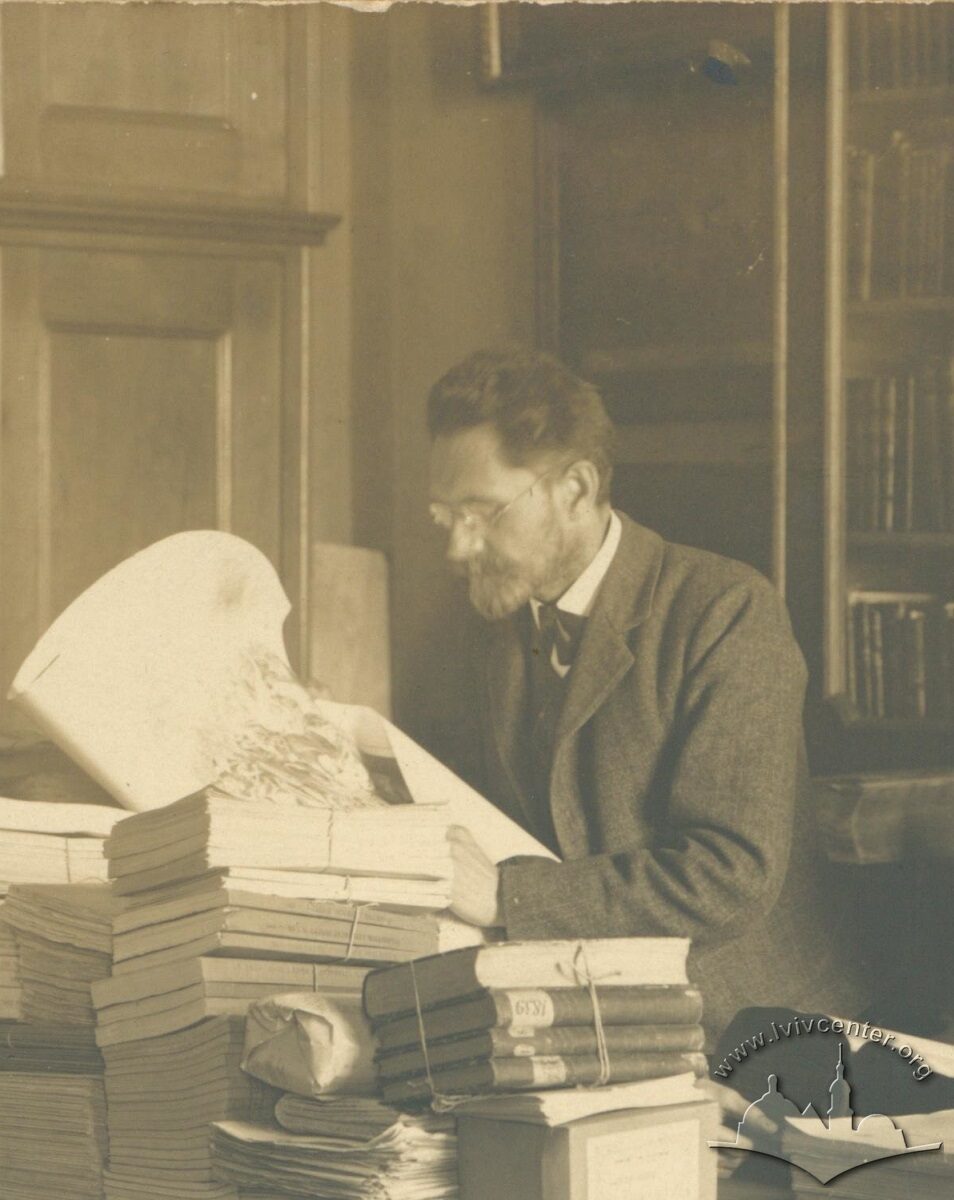
Францішек КовалишинID: 35
1870-1915
Художник-аматор, рисувальник.
Францішек Ковалишин (Franciszek Kowaliszyn) (бл. 1870 р. – 1915 р., Львів) – художник-аматор, рисувальник, про якого відомо не дуже багато.
Ковалишин вчився на архітектурному факультеті Львівської політехніки, але через брак фінансів не закінчив навчання. У той же час відомо, що після Політехніки він працював у Львівському міському архіві.
У цей період, тобто наприкінці ХІХ – на поч. ХХ ст. Львів активно розбудовувався, а разом із появою новобудов зникали старі його споруди, міняли зовнішній вигляд райони міста. Мабуть, саме постійний контакт із старими документами з історії Львова і внутрішня потреба їх проілюструвати або зафіксувати те, що зникає з мапи міста, спонукали Ковалишина взятися за олівець, перо та пензель. Він виконував рисунки олівцем, тушшю або малював аквареллю архітектурні споруди та навіть цілі архітектурні краєвиди, перемальовував пам'ятки, деталі старих будинків з натури – якщо вони збереглися, якщо ні – з інших старих рисунків та гравюр.
Зарисовки Францішком Ковалишином львівських пам'яток здобули йому певну славу у Львові, про що свідчить його членство в Товаристві прихильників Львова (Towarzystwo miłosników Lwowa), в якому він займав посаду скарбника. Його історична прискіпливість до зображення пам'ятки була причиною того, що в II пол. 1900-х рр. відомий львівський єврейський історик Маєр Балабан (Majer Bałaban) залучив художника до ілюстрування задуманої ним книги під назвою "Єврейські квартали Львова. Їхня історія та пам'ятки", до якої Ковалишин виконав 8 рисунків з натури.
У своїй творчості іноді вдавався до історичних жанрових сюжетів. Наприклад, у бібліотеці Оссолінських у Львові зберігався рисунок 1904 р. під назвою "Вацлав Кошиц в агонії в міському шпиталі у Львові". Іноді, щоб збільшити достовірність зображуваного, він робив візуальну компіляцію на основі старих рисунків. Наприклад, у книзі Маєра Балабана є рисунок Ковалишина, до якого він додає власноручний напис: "Kуна з великої синагоги передмістя. Закритий в ній чоловік взятий зі збірки бібліотеки Павліковських".
Як рисувальник співпрацював із львівськими періодичними виданнями "Щоденна газета" ("Gazeta codzienna") та "Газета для всіх" ("Dziennik dla wszystkich"). Саме в цих виданнях він опублікував близько 60 рисованих портретів популярних історичних і громадських діячів.
Роботи Францішка Ковалишина до 1939 р. зберігалися у фондах Історичного музею, Бібліотеки Оссолінських, у відомій збірці графіки в бібліотеці Яна Ґвалберта Павліковського у Львові. У 1940 р., після націоналізації приватних збірок, графічні збірки Бібліотеки Оссолінських та Павліковських стали складовою частиною нинішньої графічної збірки Кабінету мистецтв Бібліотеки Національної Академії Наук України ім. В. Стефаника.Works
1902 р. – Будинок Ставропігійського братства. Львівський історичний музей.
1904 р. – 1) "Pręgierz, żuraw i orczyk". Рис. Тушшю. Львівський історичний музей; 2) "Вацлав Кошиц в агонії в міському шпиталі у Львові". Кабінет мистецтв Бібліотеки НАН України у Львові.
Інші роботи
- Бернардинська площа у Львові (за зображенням з 1795 р.). Львівський історичний музей.
- Костел єзуїтів у Львові. Львівський історичний музей.
- Вежа римарів у Львові. Львівський історичний музей.
- Волоська церква у Львові. Олівець, акварель. Кабінет мистецтв Бібліотеки НАН України у Львові.
- Низький замок у Львові. Акварель. За гравюрою Ф. Пернера "Вид Львова – головного міста Галичини та Володимирії". Кабінет мистецтв Бібліотеки НАН України у Львові.
- Перший поверх кам'яниці Коркесів.
Ілюстрації до книги Маєра Балабана "Dzielnica żydowska. Jej dzieje i zabytki"
- Widok wschodniej strony ulicy Blacharskiej (Zydowskiej), S. 17.
- Widok zewnętrzny synagogi Nachmanowiczów, S. 23, Ryc. 8.
- Widok sciany wschodniej synagogi Nachmanowiczów, S. 31, Ryc. 11.
- Dom Dra Simche Menachema (Blacharska, 19), S. 39, Ryc. 13.
- Swiecznik "miejskiego bractwa tragarzy" z wielkiej synagogi miejskiej, S. 45, Ryc. 16.
- Dom Jakoba Gombrychta (Boimów, 30) widziany z ul. Serbskiej (Rózanej), S. 68, Ryc. 27.
- Najwyższa część ulicy Boimów, S. 81, Ryc. 32.
- Kuna (pręgierz) z wielkiej synagogi przedmiejskiej. Zamknięty w niej człowiek wzięty ze zbiorów biblioteki Pawlikowskich, S. 86, Ryc. 34.
- Kramy żydowskie z domu przy ul. Blacharskiej 20, S. 87, Ryc. 35.
Related places
-
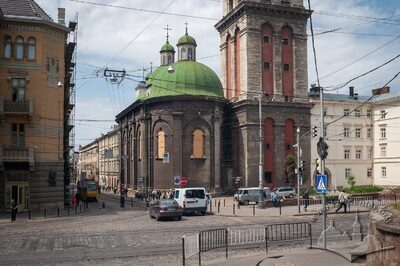
Vul. Ruska, 7 – Church of the Assumption
-
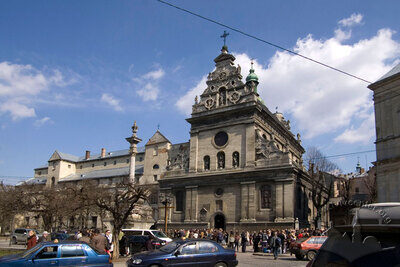
Pl. Soborna, 3a – St. Andrew Church (former bernardine church)
-
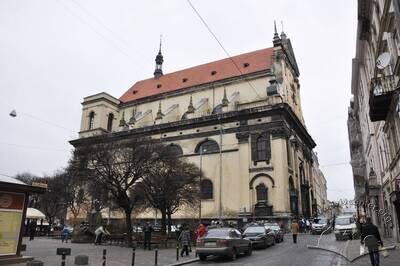
Vul. Teatralna, 13 – St. Peter and Paul Church (former Jesuit Church)
-
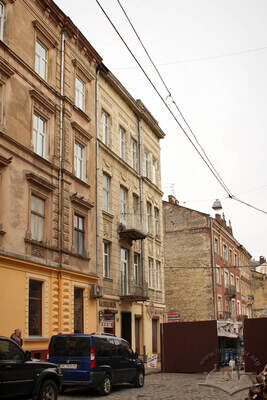
Vul. Ivana Fedorovycha, 21 – residential building
-
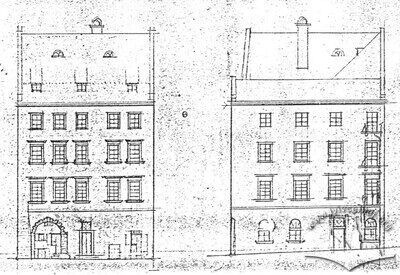
Vul. Ivana Fedorovycha, 21 – former residential building
-
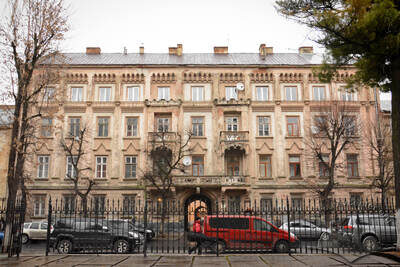
Vul. Stefanyka, 11 – residential building
Sources
- Bałaban Majer, Dzielnica żydowska. Jej dzieje i zabytki (Lwów, 1909), 17, 23, 31, 39, 45, 68, 81, 86, 87.
- Słownik artystów polskich, obcych w Polsce działających: Malarze, rzeźbiarze, graficy, T. ІV (Wrocław – Warszawa – Kraków – Gdańsk), 198.
- Каталог гравюр ХVІІ–ХХ ст. Наукової бібліотеки ім. В. Стефаника АН УРСР (Київ: Наукова думка, 1989), 22-23, 37, іл. 151, 152.
- Меламед М., Евреи во Львове (ХIII – первая половина ХХ века). События, общество, люди (Львов: ТЕКОП, 1994), 197 (іл.).
- Никифорчук Н., Гетьманські вали, "Високий замок", Спецвипуск "Старий Львів", 1992, №5, 7 (іл).